My Complete 15-Day Italy Itinerary, Fully Revealed!
Planning a self-guided trip to Italy involves a lot of moving parts. Having traveled through Italy myself, I'm sharing the key things to consider along with my real-world experience, so you can plan your own Italy trip quickly and with confidence. If you leave a comment in the comment section at the very bottom of this blog, I'll send you my complete 15-day Italy planning Excel file to save you tons of planning time!
When to Visit Italy
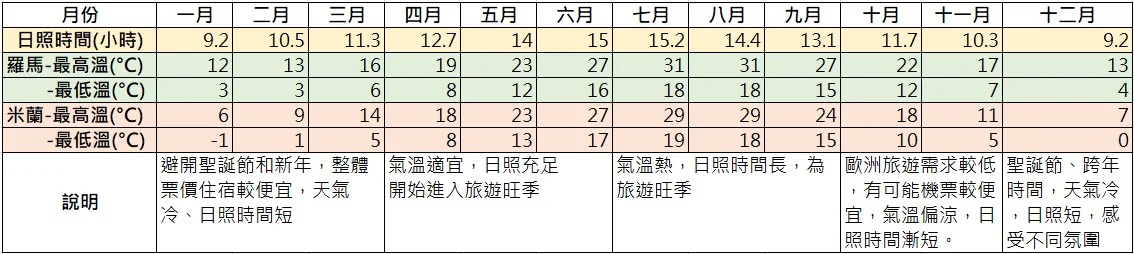
Italy feels very different depending on the season. Below is a summary of estimated 2025 daylight hours (data source) and historical average temperatures (data source). Between summer and winter, daylight can differ by up to 6 hours and temperatures by up to 22 degrees, so choosing which season to visit really matters.
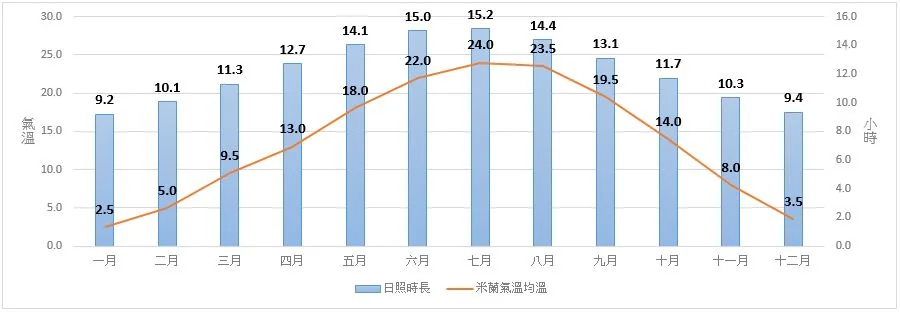
Generally speaking, April to October is peak season. Daylight hours are long — it's bright for most of the day — which makes itinerary planning very convenient. The downsides are pricier flights, hotels, and accommodation, plus crowds everywhere. During the July–August summer holidays it also gets seriously hot, so watch your physical condition if your plans involve standing in long lines.
October through March is more of an off-season. Excluding Christmas and New Year at the end of December, traveling in Italy is relatively cheaper and less crowded, and at many attractions you barely have to queue. The downsides: it's cold — December and January are freezing — and daylight hours are short, so daytime sightseeing feels rushed. One more thing about the winter off-season: if you're heading to southern Italy, based on my own December trip, the Blue Grotto on Capri is almost guaranteed to be closed, and many shops in Sorrento, Amalfi, Positano, and Capri won't be open either. Keep this in mind if southern Italy is on your list.
Language and Communication in Italy
Italian is the main language, but English works fine in the big cities, so don't worry if you can't speak Italian. Station timetables and ticket machines all have English too, so you won't have trouble figuring out your train (unlike when I took a train in Frankfurt, Germany, where the timetable had no English and left me completely lost). The trickier part is reading menus at mealtimes — sometimes your only option is Google Translate's image recognition to turn an Italian menu into something readable, but restaurant internet is often patchy and looking things up is hard. So it's best to do your homework and know what you want to eat before walking into a restaurant; poor communication can easily lead to ordering a dud.
If you're worried about the language barrier as an independent traveler, the best remedy is thorough advance planning and research — then you won't have to worry about the trip falling flat.
Transportation Planning
Flights
This time I entered Italy through Rome Fiumicino Airport (FCO) and departed from Milan Linate Airport (LIN). I chose not to fly in and out of the same city because backtracking to your starting city wastes time, and I picked Milan for departure because I wanted to shop there — buy everything and hop straight on the plane, maximum convenience. Note that both Rome and Milan have two airports each: Rome has FCO and CIA, and Milan has MXP and LIN. Don't mix them up when booking — get it wrong and you might even end up booking a hotel by the wrong airport. Linate (LIN) is a small airport serving European routes, so you'll need to connect through Rome or another major city to catch an international flight back to Taiwan.
On the way out I flew China Airlines direct from Taipei to Rome, about 15 hours. For the return, since I was departing from Linate (a small airport), I first connected through Frankfurt or Rome before heading back to Taipei; the direct long-haul leg takes about 12.5 hours. I bought my December tickets about six months in advance for roughly NT$36,700 round trip.
No visa is needed for entry — just your passport. Clearing immigration was a breeze; they didn't even look at my Schengen insurance. But do remember to buy insurance before you go! You never know when an accident might strike. I'd also recommend carrying a printed copy of your full itinerary with accommodation addresses and phone numbers, your return flight ticket, and your Schengen insurance in case they're checked!
Airport Transfers
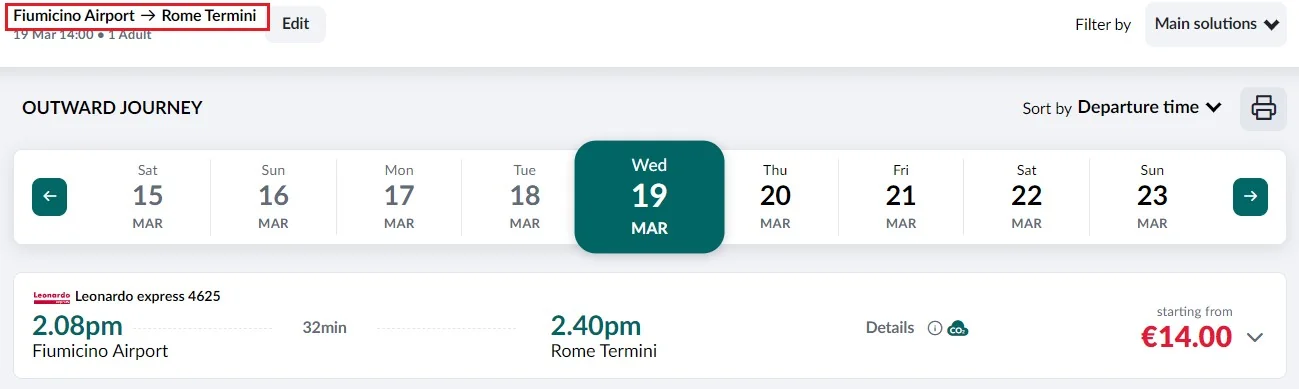
The transfer from Rome Fiumicino Airport (FCO) is very straightforward. After landing and clearing immigration, just look for the Leonardo Express (Rome airport express train). Tickets are sold at the booth beside the station entrance, or you can use the ticket machines, which have a Chinese-language interface. A ticket is 14 euros per person, no validation needed — just board. The ride takes about 32 minutes. Although the ticket shows a specific departure time, you can actually take any Leonardo Express into Rome Termini station.
The Leonardo Express is run by Trenitalia, Italy's national railway, with very frequent departures and a timetable that barely changes from day to day. As long as there's no strike, it's the most convenient airport transfer option. You can check schedules on the Trenitalia website at http://www.trenitalia.com — just enter Fiumicino AirportRome (FCO airport) and Rome Termini (the central station) as origin and destination, plus your date and number of passengers, and the departures will come right up!
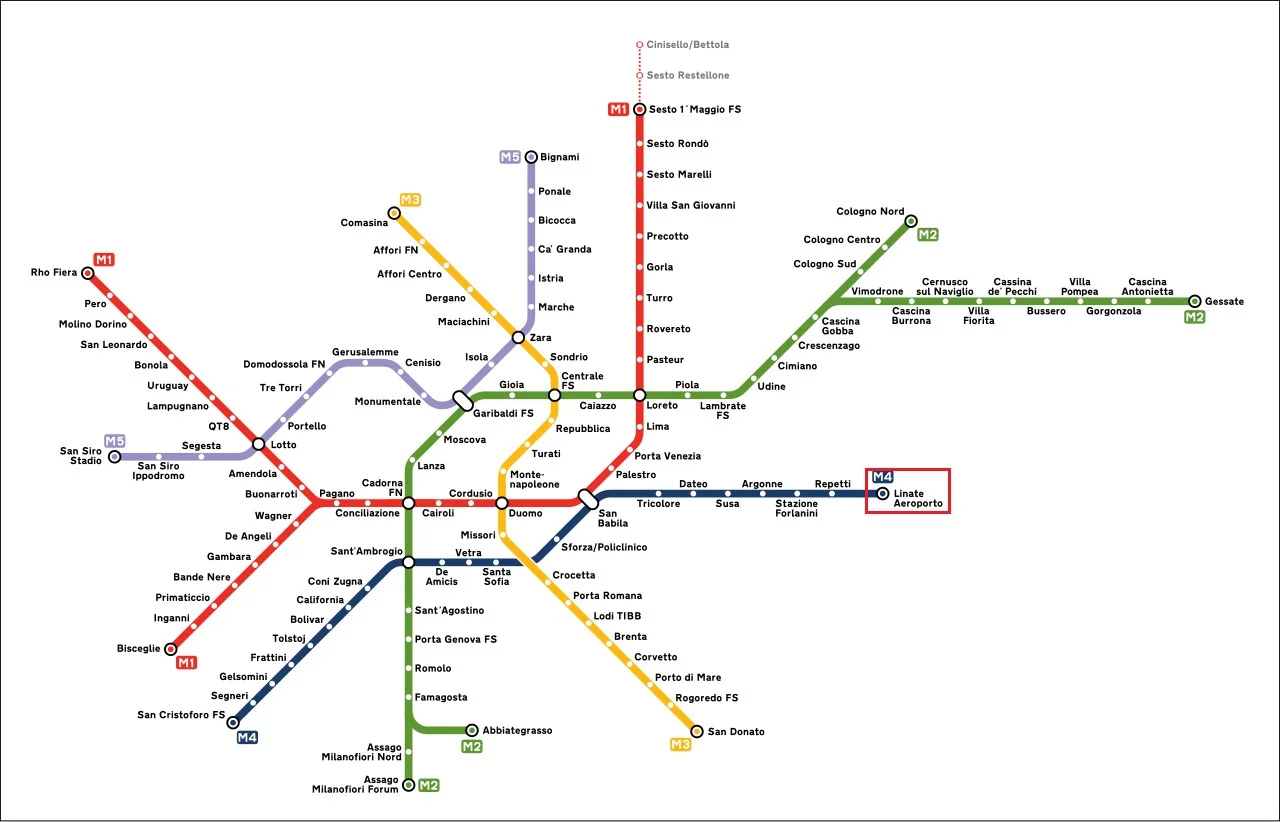
The transfer from Milan Linate Airport (LIN) is even simpler: take the light-blue M4 metro line, which runs straight to the airport (the direct connection was completed in 2022). Just drop coins into a ticket machine, buy a ticket, and pass through the gates — easy. Below is the metro map; Linate Airport is the easternmost terminus of the M4 line. See the Wikipedia page on the Milan Metro (Chinese) for details. The other airport, Malpensa (MXP), on the other hand, has no metro connection — you have to take the airport express there instead (run by a private railway, not the metro).
Intercity Long-Distance Trains
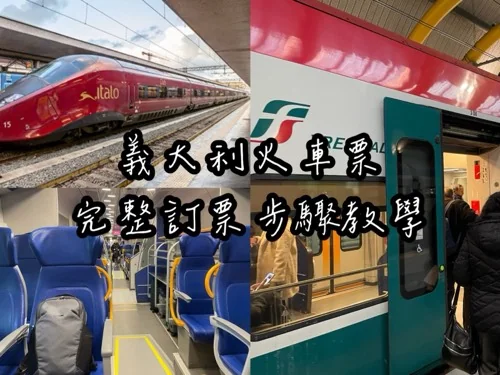
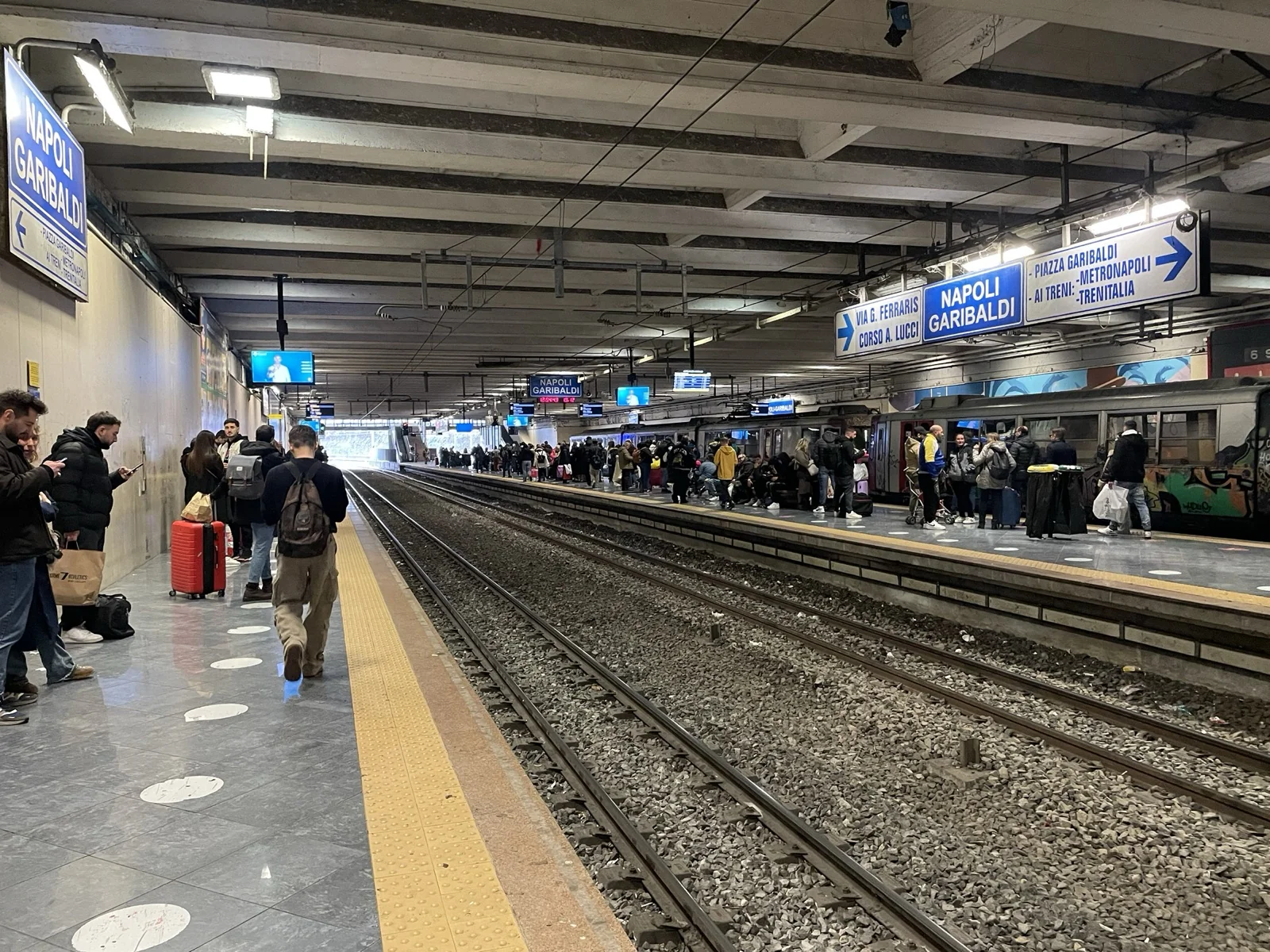
Rail is the main way to move between cities, with the national railway (Trenitalia — link here) and the private railway (Italo — link here) — and in fact those are the only two. If your itinerary is locked in, I recommend booking early through the websites (not the apps) to snag early-bird fares. I booked two months ahead, and compared with same-day prices, I saved quite a bit.
When booking, I opened both websites side by side, entered the same origin, destination, and date on each, and bought from whichever was cheaper. You can also compare seat classes and decide whether to spend a little extra on an upgrade. After booking you'll get an email with the ticket attached, showing the train number, seat, date, and time. Print it out; on travel day, just walk in, board, and find your seat — no validation needed. When the conductor comes around, show them the printout. Large luggage is allowed on board, and there are storage areas, but I recommend securing it with a lock or lifting it into the overhead rack so a pickpocket can't simply wheel it away. Someone should keep an eye on the luggage at all times — far too many people have lost bags on trains.
A special note for the Naples-to-Sorrento leg (some travelers stop at Pompeii along the way): you'll need to buy a ticket at Naples station for the Circumvesuviana railway operated by the EVA company. It's a railway unique to southern Italy, so you won't find it on the Trenitalia or Italo websites — just look for the ticket counter after arriving at Naples station.
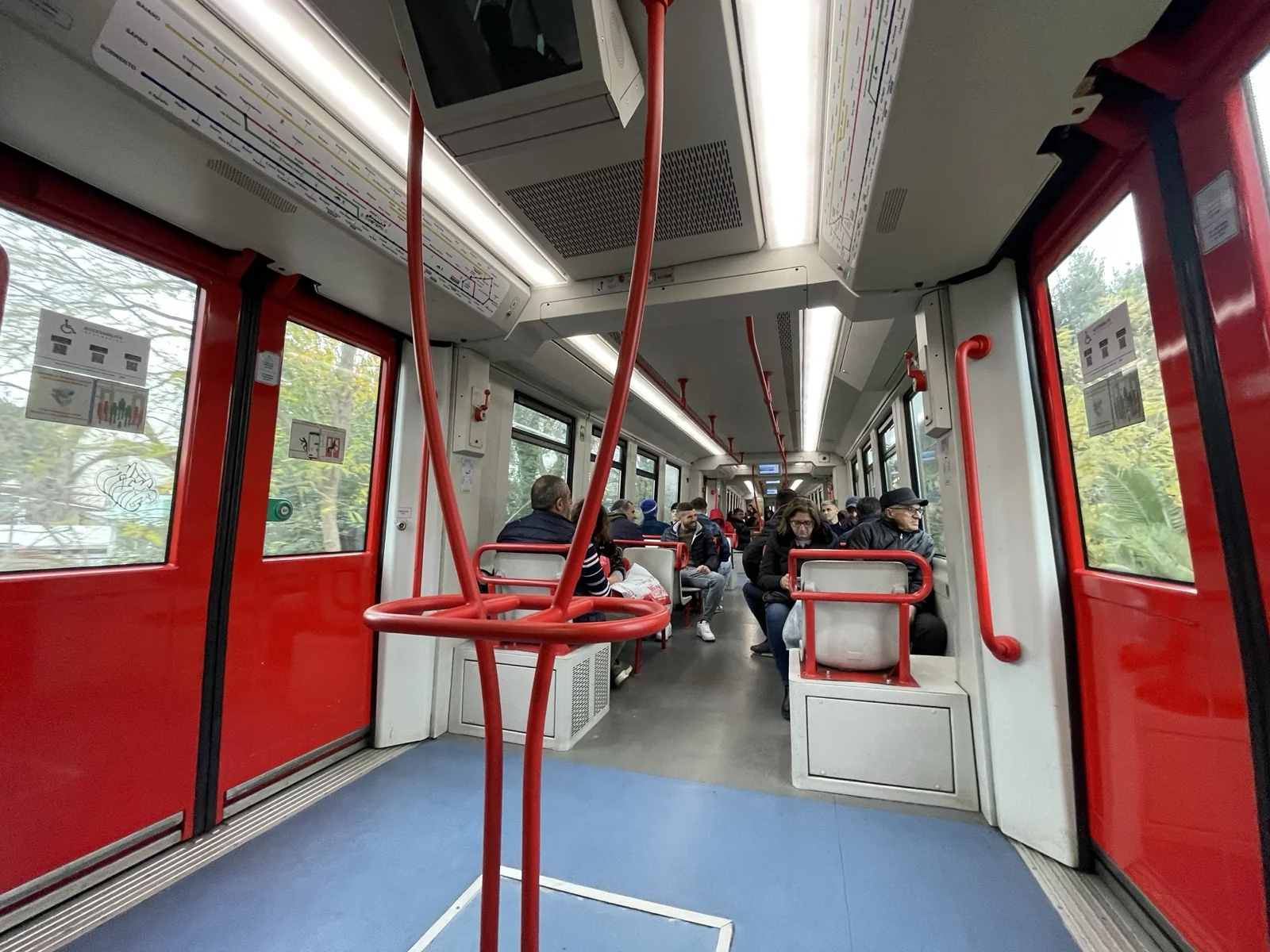
For a detailed walkthrough of the online booking process, see my other post Italy Train Online Booking Guide (Chinese). Below are the stations travelers most commonly use in each city, handy to enter when checking fares on the websites.
| City | Main Station | Italian Name |
| Rome | Roma Termini Station | Roma Termini (Rome) |
| Naples | Napoli Centrale Station | Napoli Centrale (Naples) |
| Sorrento | Sorrento Station | Sorrento |
| Florence | Firenze Santa Maria Novella Station | Firenze Santa Maria Novella (Florence) |
| Pisa | Pisa Centrale Station | Pisa Centrale |
| Venice | Venezia Mestre Station (mainland) Venezia S.Lucia Station (main island) | Venezia Mestre Venezia S.Lucia (Venice) |
| Milan | Milano Centrale Station | Milano Centrale (Milan) |
Getting Around Within Cities
Rome
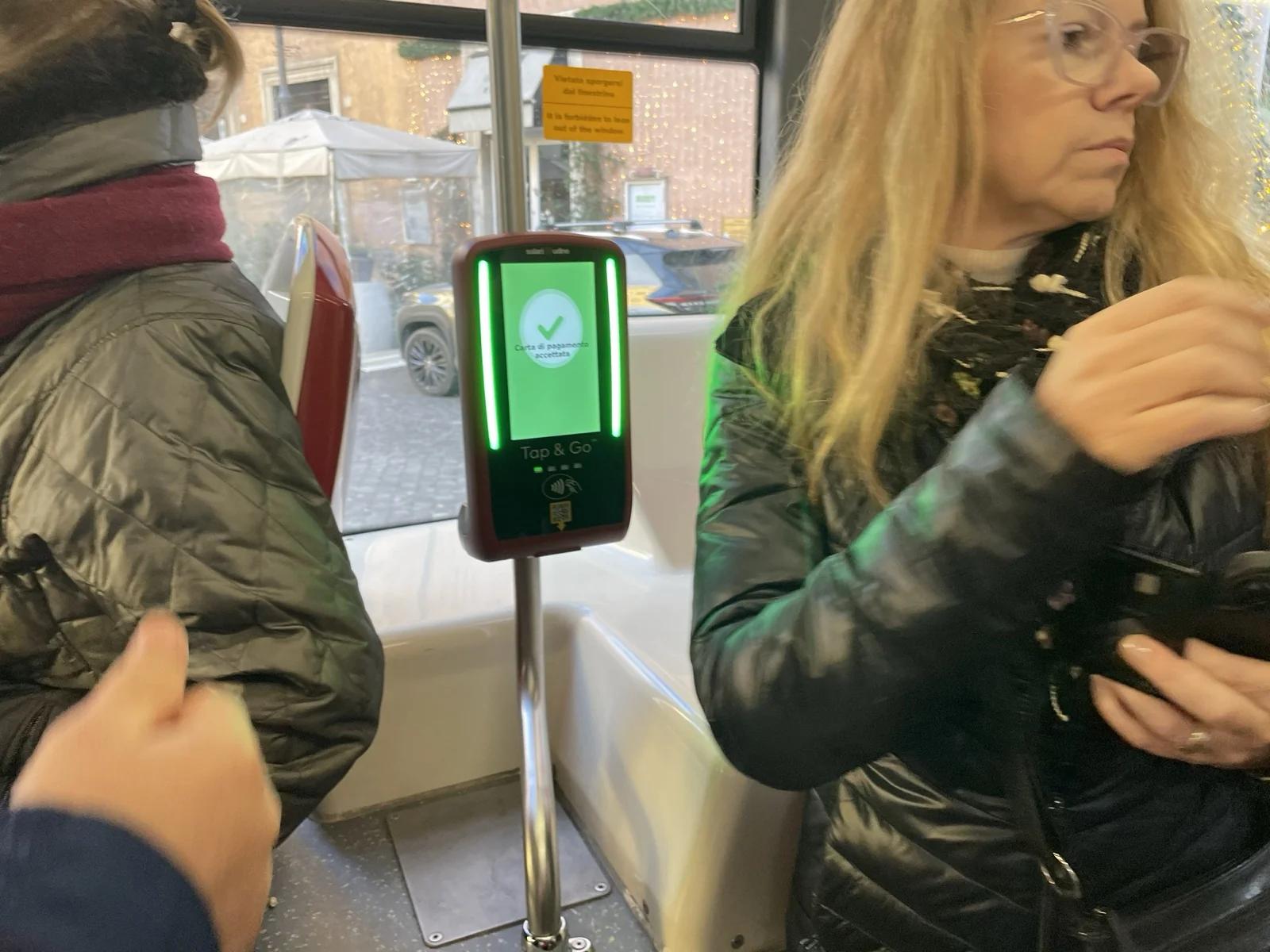
In Rome I recommend taking the bus — plenty of routes leave from right outside the central station. Bring two chip credit cards (one as backup); as long as the bus has a tap&go machine, you can simply tap your card to board — no buying or validating tickets, extremely convenient. For details, see the Rome transportation planning (Chinese) section in my other post, Rome Travel Guide: 2-Day Itinerary, Must-See Sights and Must-Eat Restaurants (Chinese).
Naples
The train arrives at Napoli Centrale. Our accommodation was right beside the square in front of the station, and after reading so many online reports about poor safety and worrying about robbery — and since we were only staying one day — we simply checked in and explored central Naples on foot. Most places are reachable by walking, though if you want to visit Castel Sant'Elmo you'll genuinely need the metro or the funicular. Otherwise, the most common option is the bus.
Sorrento
Sorrento is a tiny town. Once your train pulls into Sorrento station, you can basically cover the whole town center on foot — you can even walk to the marina, it just involves some stairs — so there's little need to wait around for buses. Sorrento feels very safe, and an evening stroll through town is wonderful.
Florence
All the famous sights in central Florence are within walking distance — even the farthest, Piazzale Michelangelo, which I walked to in just half an hour. That said, gauge your own stamina, since the streets are all cobblestone. If you're staying farther out and need to get into the center, buses or trams work too, but bus tickets have to be bought in advance. I spent three full days in Florence entirely on foot and never found it inconvenient.
I went to Piazzale Michelangelo for a wedding photo shoot. If you're thinking about wedding photos abroad, check out my other post How to Get Great-Value Wedding Photos Abroad (Chinese) — it might help!
Venice
Because Venice's main island is so fragmented, there are only two transport options: the water bus (ACTV) and the gondola. Gondolas are for the experience; the water bus is the one with real transportation value. You can buy tickets in advance on Klook (click here to buy water bus tickets) or KKday: a 75-minute ticket is 9.5 euros, 24 hours is 25 euros, 48 hours is 35 euros, and 72 hours is 45 euros. It whisks you from the train station on the main island straight to St. Mark's Square (a must-visit photo spot — absolutely stunning), which would take over an hour on foot, so it's a pretty essential mode of transport.
I had two days to explore and wanted to wander the entire main island, so I never actually took the water bus — every place worth seeing was reachable on foot.
Milan
Milan is Italy's largest city, and both buses and the metro are extremely convenient. Buses have Tap&Go just like Rome, and single metro tickets can be bought with coins at the machines. Every sight worth visiting is reachable, and even my final trip to Linate Airport (LIN) was a direct metro ride — getting around is easy, no difficulty at all.
Ferries
In southern Italy you'll have chances to ride ferries, which run between Naples (Napoles), Sorrento, Amalfi, and Capri Island. Apart from Sorrento to Capri Island, which requires a ferry, none of the routes are strictly necessary — but if you want to see the Amalfi Coast from the water, a sightseeing ferry makes for an unforgettable memory.
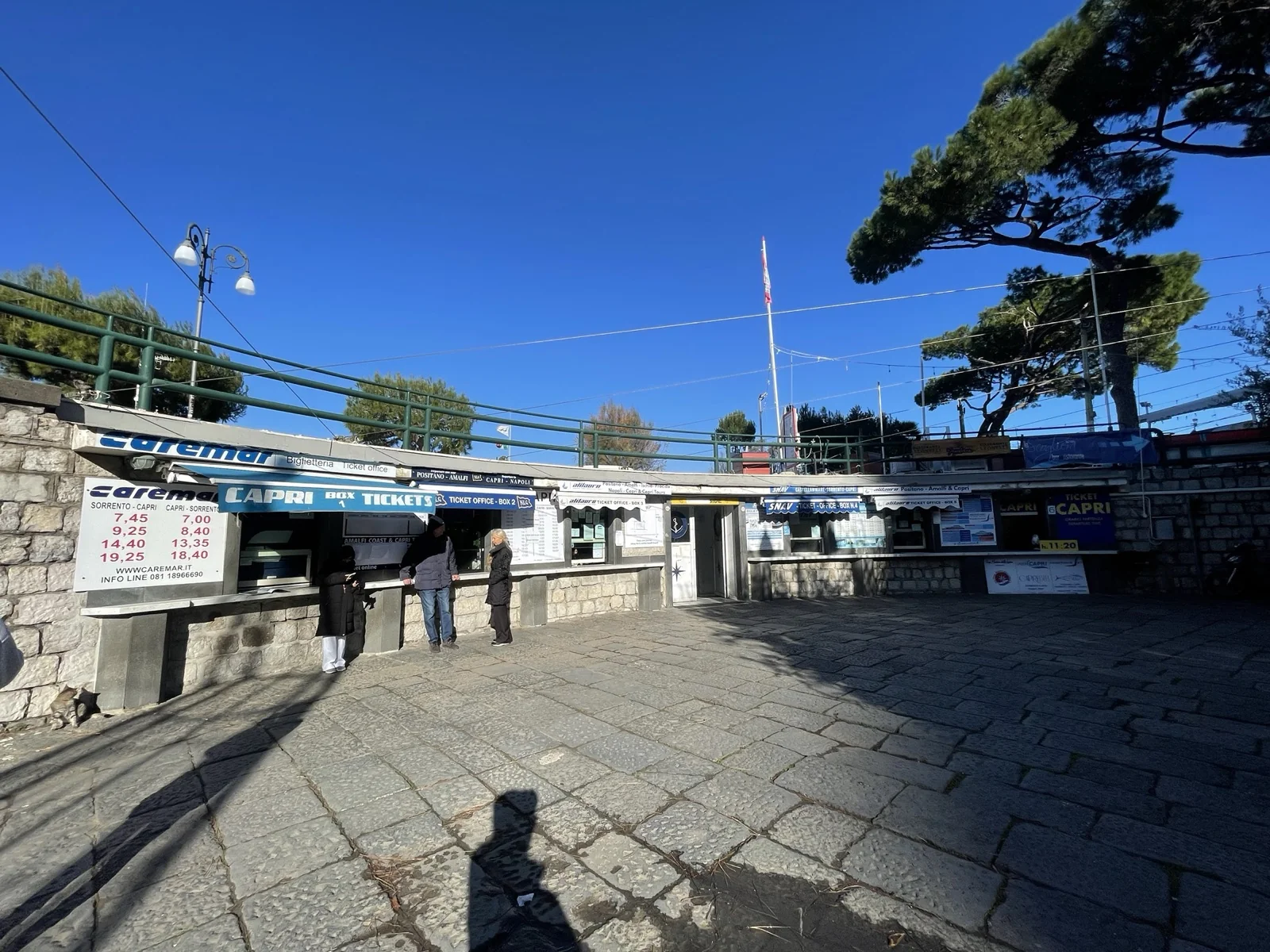
I didn't book ferry tickets in advance. I just walked to the Sorrento marina, where there's a roundabout (Google Maps link) with all the ferry companies gathered around it. Check the departure times and buy on the spot — prices are all the same, no need to comparison shop.
Car and Scooter Rental
I don't recommend renting a car for the whole trip — Italy's public transportation is already excellent. Unless you're heading to more out-of-the-way spots, say the Ferrari Museum or the small towns around Positano, where a one-day round-trip rental makes sense, driving burns money and adds hassle: rental fees, fuel, tolls, parking, permits, and so on, plus the occasional fine. In cities you also have to hunt for parking, and in peak season spots are nearly impossible to find. A friend who rented a car for an entire 10-day trip spent well over NT$100,000 — your call.
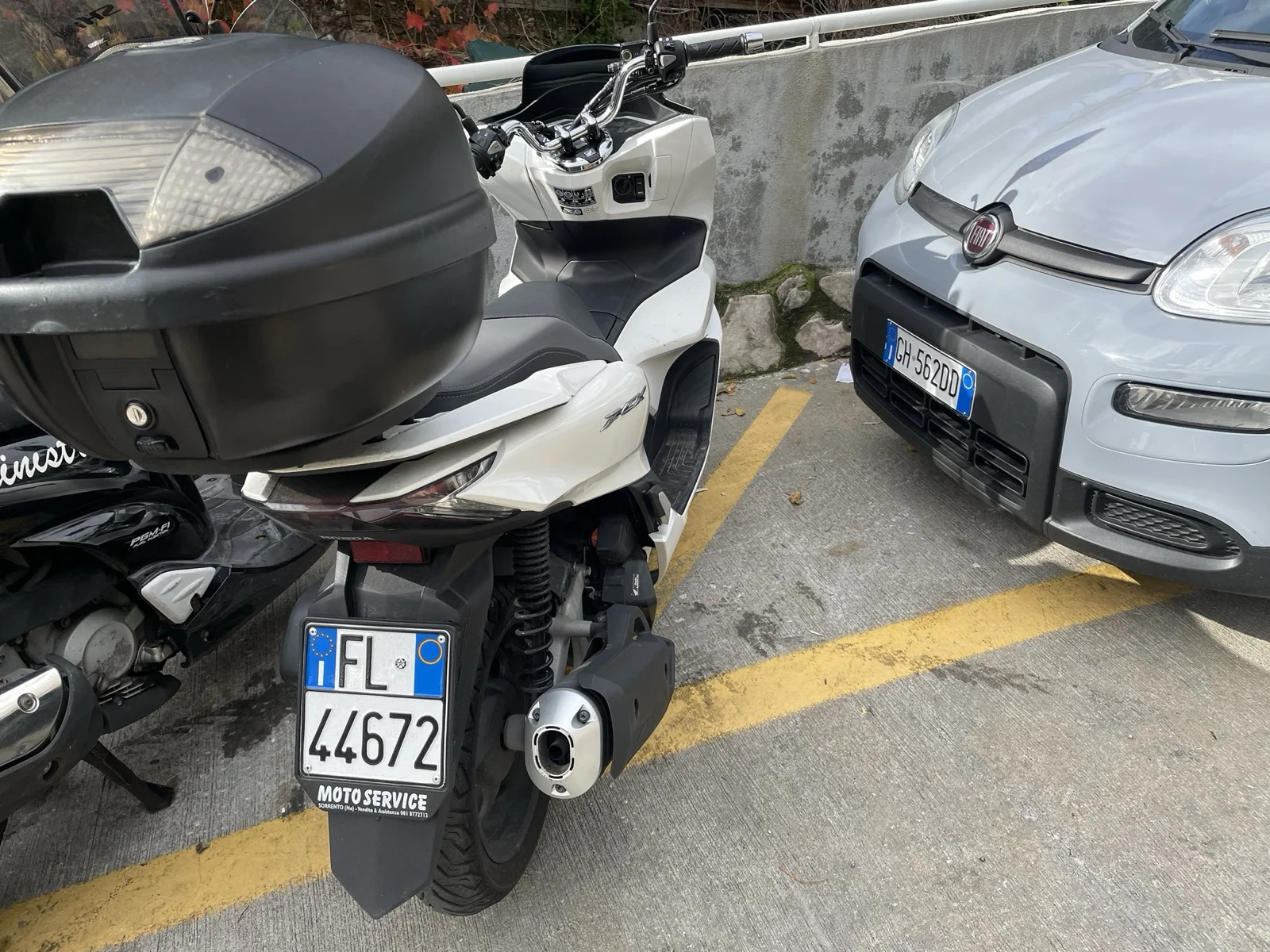
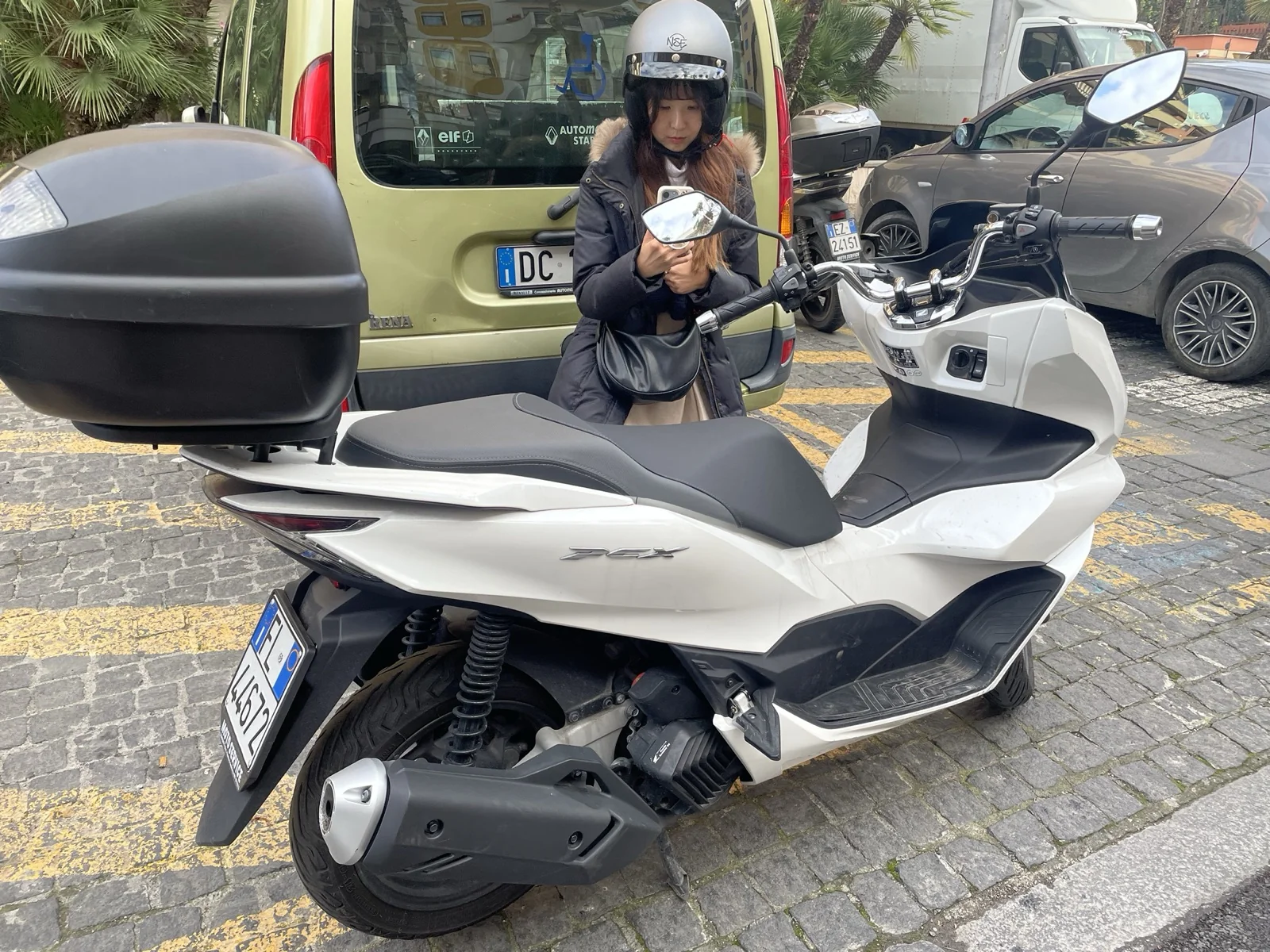
Personally, while in Sorrento I rented a scooter to visit Positano and the Amalfi Coast. Everyone says you should rent a Vespa, but I went for a bigger, more comfortable bike — got to keep the passenger on the back comfortable too! The beauty of a scooter is its mobility and how much easier parking is; the downside is that rain or blazing sun makes the ride less pleasant. But cruising past gorgeous scenery and stopping for photos whenever you like — I highly recommend exploring Positano and the Amalfi Coast by scooter.
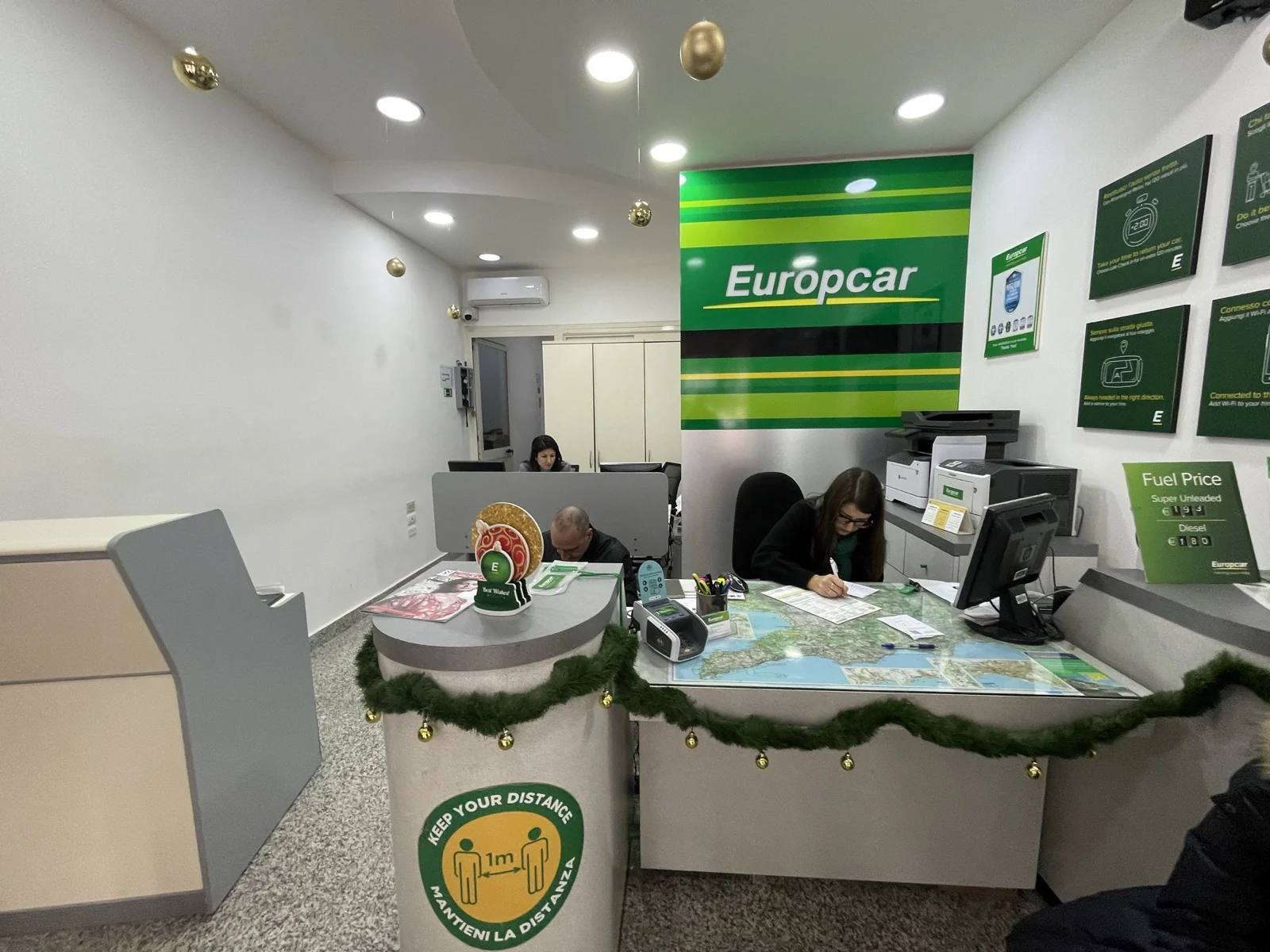
In peak season it's best to reserve vehicles ahead of time. I went in December and simply walked into Eurocar Rental (Google Maps link) in front of Sorrento station and got a bike on the spot — very convenient.
Accommodation Planning
Planning for two people (a couple), just search on Booking.com — Agoda works too, though I've heard horror stories of Agoda bookings getting cancelled on arrival. Whichever platform you book through, always contact the host or hotel separately to confirm your reservation. In my view, a place that meets the following criteria should be a decent stay — at least you won't feel like you got burned.
High guest ratings: 8.5 or above is the safer bet.
Convenient location: pick somewhere reasonable relative to the sights you've planned. For example, in Rome I stayed near the Pantheon, which I found extremely convenient — plenty of food and shopping nearby, with buses to the Vatican and the central station right outside the door. Still, find the location that fits your own plans.
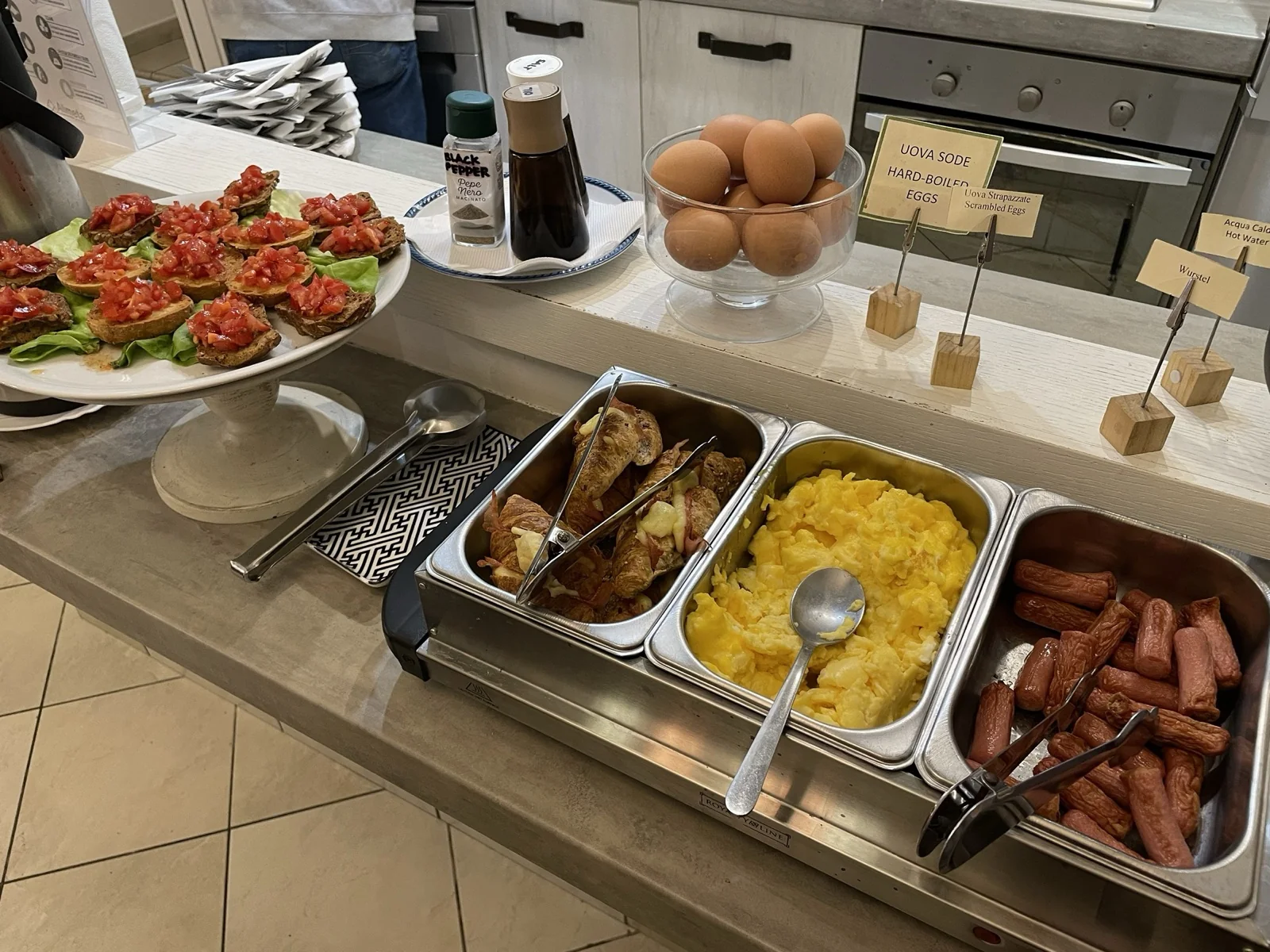
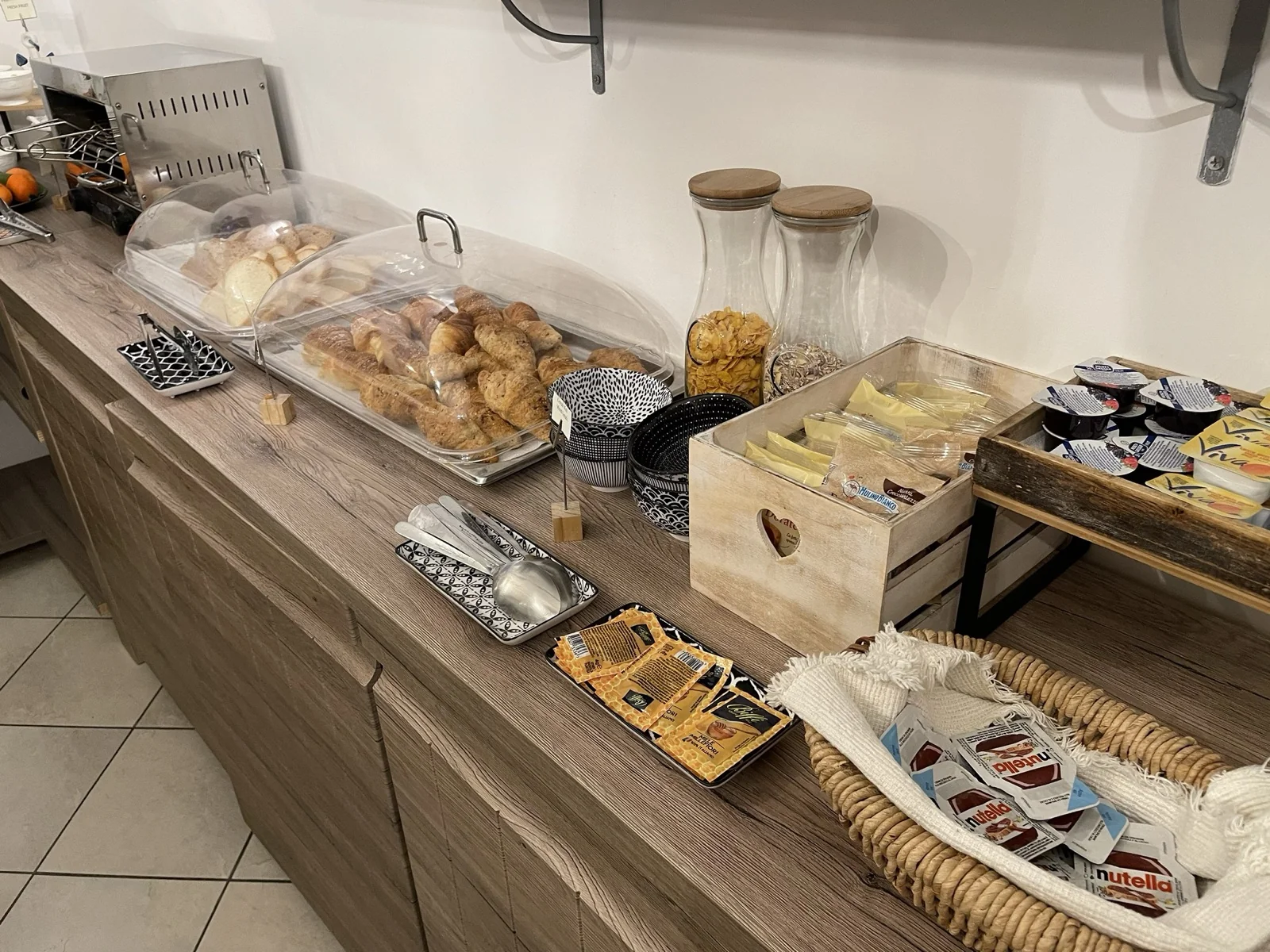
Breakfast must be included: I found getting breakfast out in Italy rather inconvenient — eating at your guesthouse or hotel before heading out is a really good approach.
Reasonable price: I booked all the accommodation for my 15-day Italy trip about six months in advance. When I checked the booking sites again in the month of the stay, rooms were either sold out or over 50% more expensive. So the earlier you book, the better — same room, lower price.
Luggage storage available: most hotels and guesthouses offer this. Being able to drop off your bags on check-in or check-out day is a key factor in keeping your itinerary flexible.
Food Planning
Italy's most famous must-eats are pizza (Pizzia), pasta (Pasta), risotto (Risotto), gelato (Gelato), and tiramisu (Tiramisu). Try them all and, food-wise, the trip is complete. If your budget allows, prioritize restaurants with high Google reviews; otherwise, here are some more budget-friendly approaches:
- Pizza shops: at chains like Alice Pizza, a few slices eaten in costs under 10 euros and fills you right up
- Microwave meals: look for shops with microwave-ready food — pasta, lasagna, vegetables — heat them up and the quality honestly rivals restaurant food.
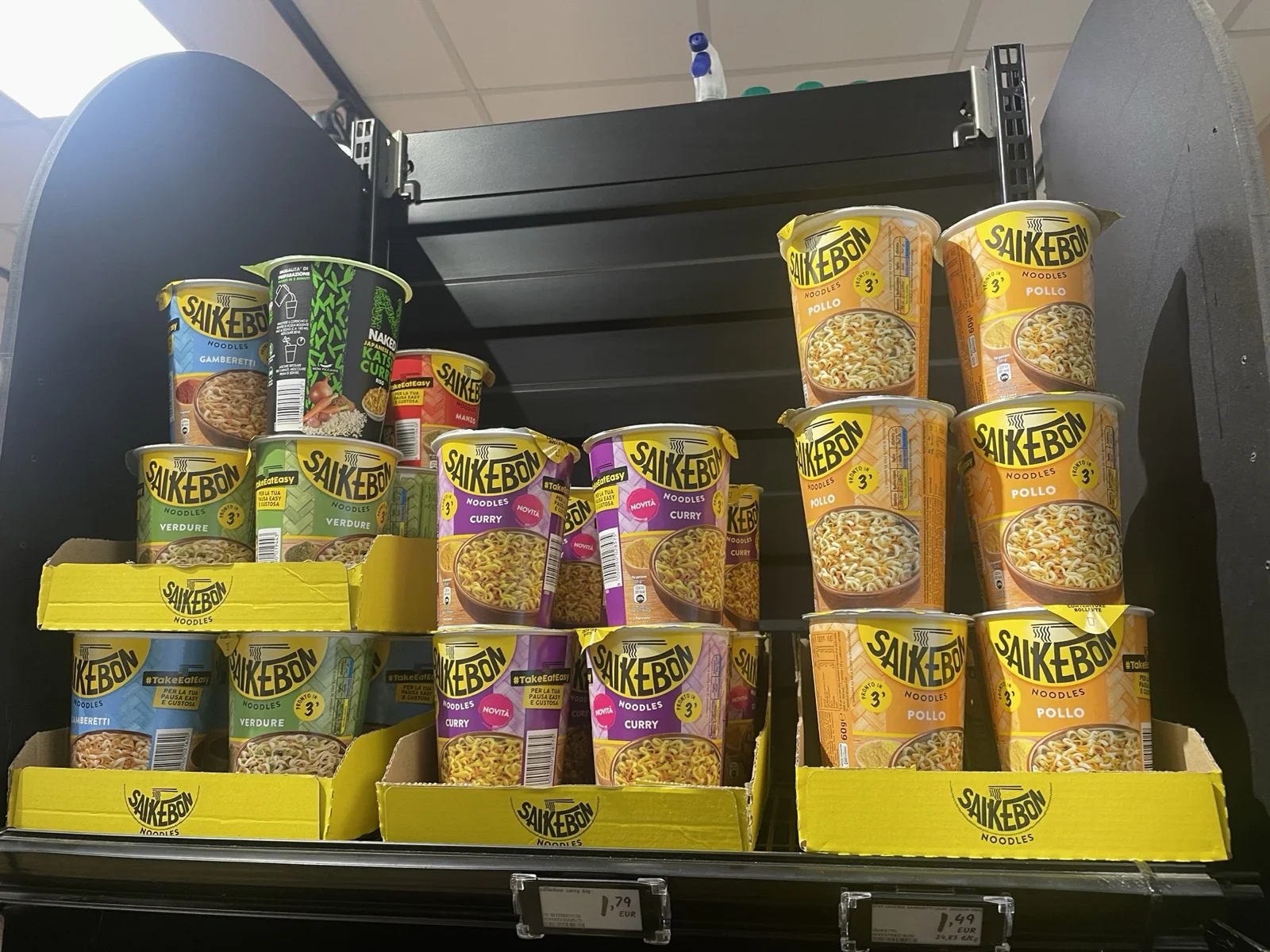
- Bring instant noodles: hotels usually have hot water or a kettle. If the local food doesn't suit you, bring your own instant noodles. I packed a collapsible kettle in case the hotel had no hot water.
- Local convenience stores: Italy has plenty of them, where you can buy bread, ham, sandwiches, canned food, and more.
- Chinese restaurants: restaurants run by local Chinese owners usually suit the palate better and are relatively affordable.
- Chinese supermarkets: you can buy Asian instant noodles, canned goods, snacks, and so on.
- Drinking water: sparkling or mineral water from the supermarket is very convenient, or at the hotel you can boil tap water with the kettle and let it cool — easy either way.
- Must-try specialties in each Italian city:
- Rome: plenty of very old, authentic cafes and gelato shops, plus the famous tiramisu at Mr.100 to try.
- Naples: Naples' pizza is a must — especially the classic Margherita, you simply have to try it.
- Sorrento/Capri Island: the lemon granita here is famous — sweet, tart, and full of southern Italian charm.
- Florence: Florence sits in the Tuscany (Toscana) region of central Italy, home to countless wineries. Tuscan red and white wines are famous exports sold worldwide, and you can visit a winery on the outskirts for a tasting. Tuscany's steak is equally renowned — most people order the T-bone, but personally I think any steak here is delicious, T-bone or not; sirloin and filet are excellent too. Another must-eat in Florence.
- Southern Italy: Sicily's famous fried rice balls (arancini) are another authentic Italian food. Most tourists won't make a special trip to Sicily, but with a little searching you can find them in every major city. I had some near the Colosseum in Rome, at La Prezzemolina (Google Maps link) — I wouldn't say they were amazing, but worth a try for the novelty!
Itinerary Planning
How Many Days per City
If your goal in Italy is to see all the major sights, the number of days I allocated to each city felt just right. Here's the breakdown:
| City | Days | Notes |
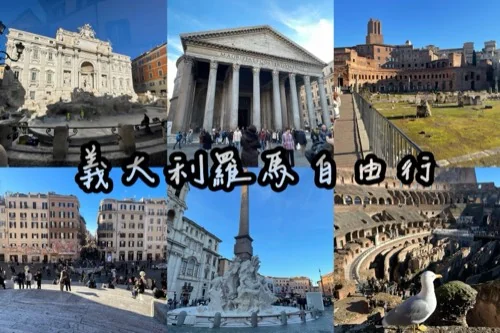
| Rome | 3 days | Day 1: the Pantheon, Trevi Fountain, and the Pantheon area Day 2: the Colosseum, Roman Forum, and Palatine Hill area Day 3: the Vatican |
| Sorrento | 3 days | Day 1: Pompeii and downtown Sorrento Day 2: Positano and Amalfi Day 3: Capri Island |
| Naples | 1 day | Exploring downtown Naples |
| Florence | 3 days | Day 1: downtown Florence Day 2: Pisa Day 3: more of downtown Florence — it's just too beautiful |
| Venice | 2 days | Day 1: Venice's main island Day 2: visit Burano (the rainbow island) or keep exploring the main island |
| Milan | 2 days | Both days in the city, or spend one day on a big outlet shopping run |
Booking Tickets, Tours, and Rental Cars in Advance
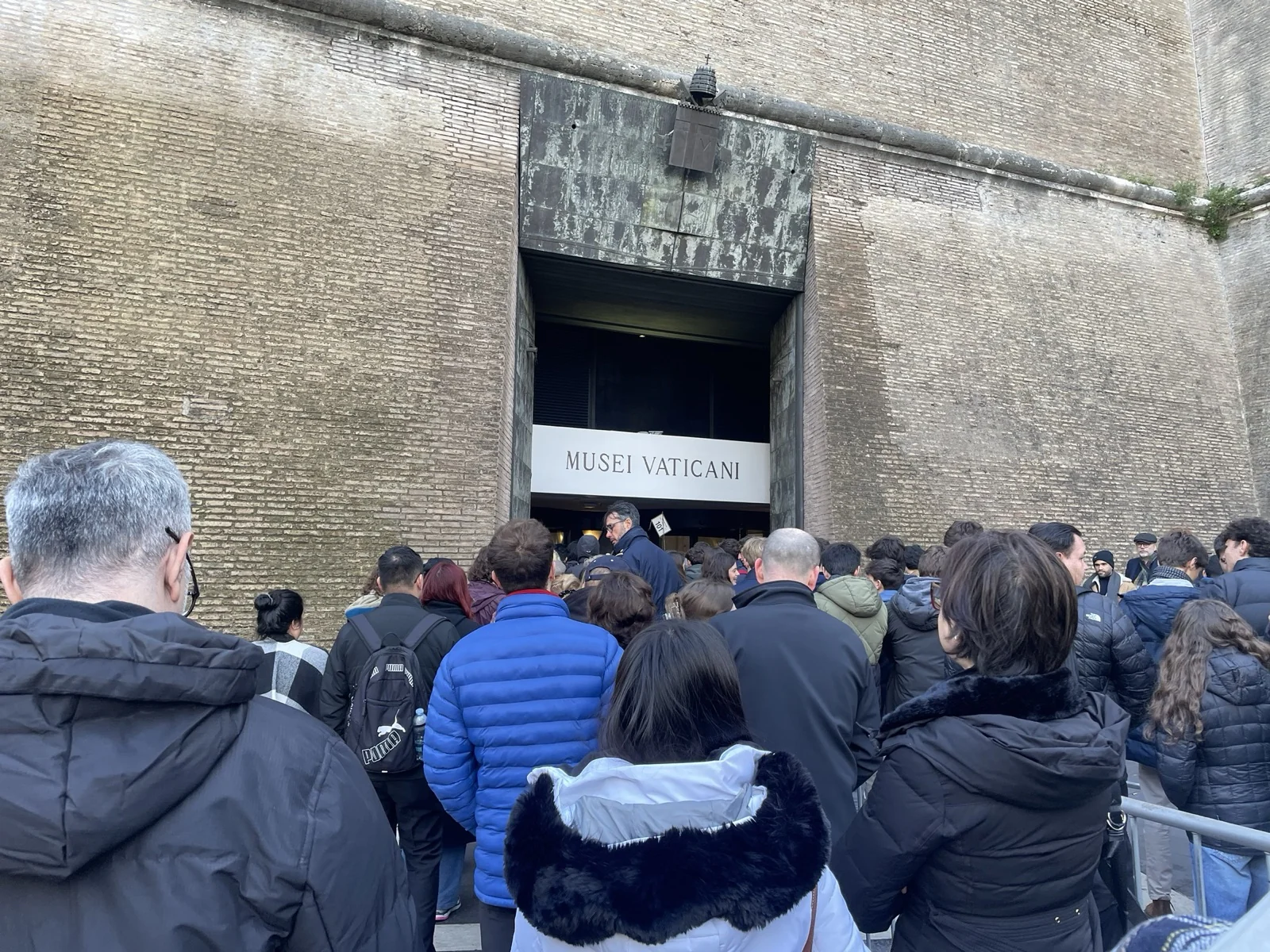
Things worth buying in advance include train tickets, museum tickets, and church tickets. Of these, the Colosseum ticket is a must-book before departure — even more so if you want to visit the underground level — and Vatican Museums tickets absolutely must be bought ahead and printed out, because the walk-up ticket line is extremely long (packed even in low season) and you'd genuinely waste a lot of time queueing. Everything else can be decided once you're there — choose whether and when to go, then buy through a platform or the official site and walk in.
In peak season, reserve rental cars early too, to avoid arriving and finding nothing available — Italy has only a handful of well-reviewed rental companies, so locking one in early brings peace of mind.
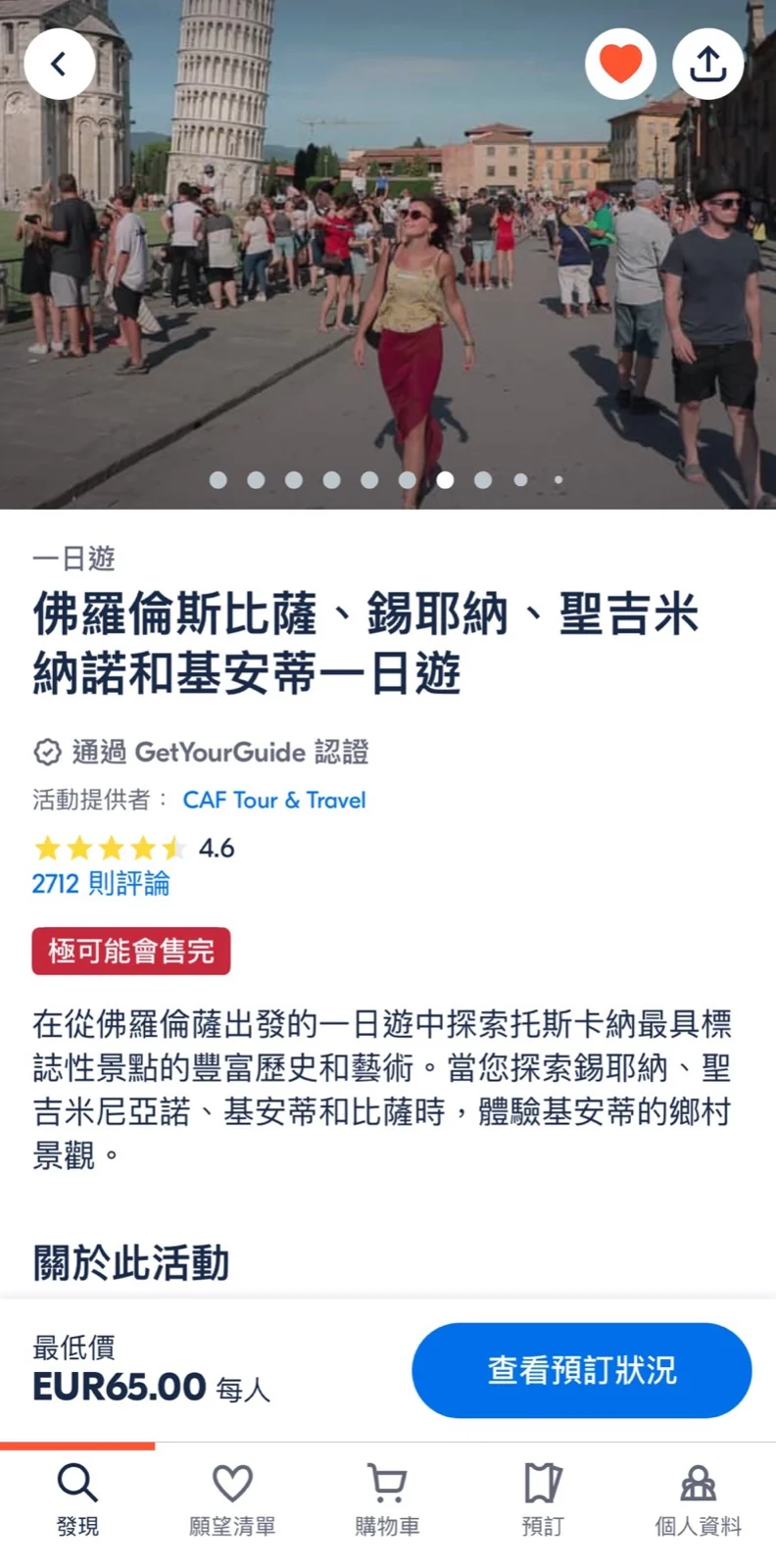
For extra activities, browse the tours on travel platforms like GetYourGuide, KKday, and Klook to enrich your trip. I booked a Tuscany (Toscano) day tour through GetYourGuide (link here) covering Pisa, Siena, San Gimignano, and Chianti — one day on a coach hitting all of Tuscany's must-see towns, with lunch at a winery tasting red and white wines with cured meats, sausage, and cheese. Highly recommended! There are of course tons of other tours you can add to your itinerary!
Budget Planning
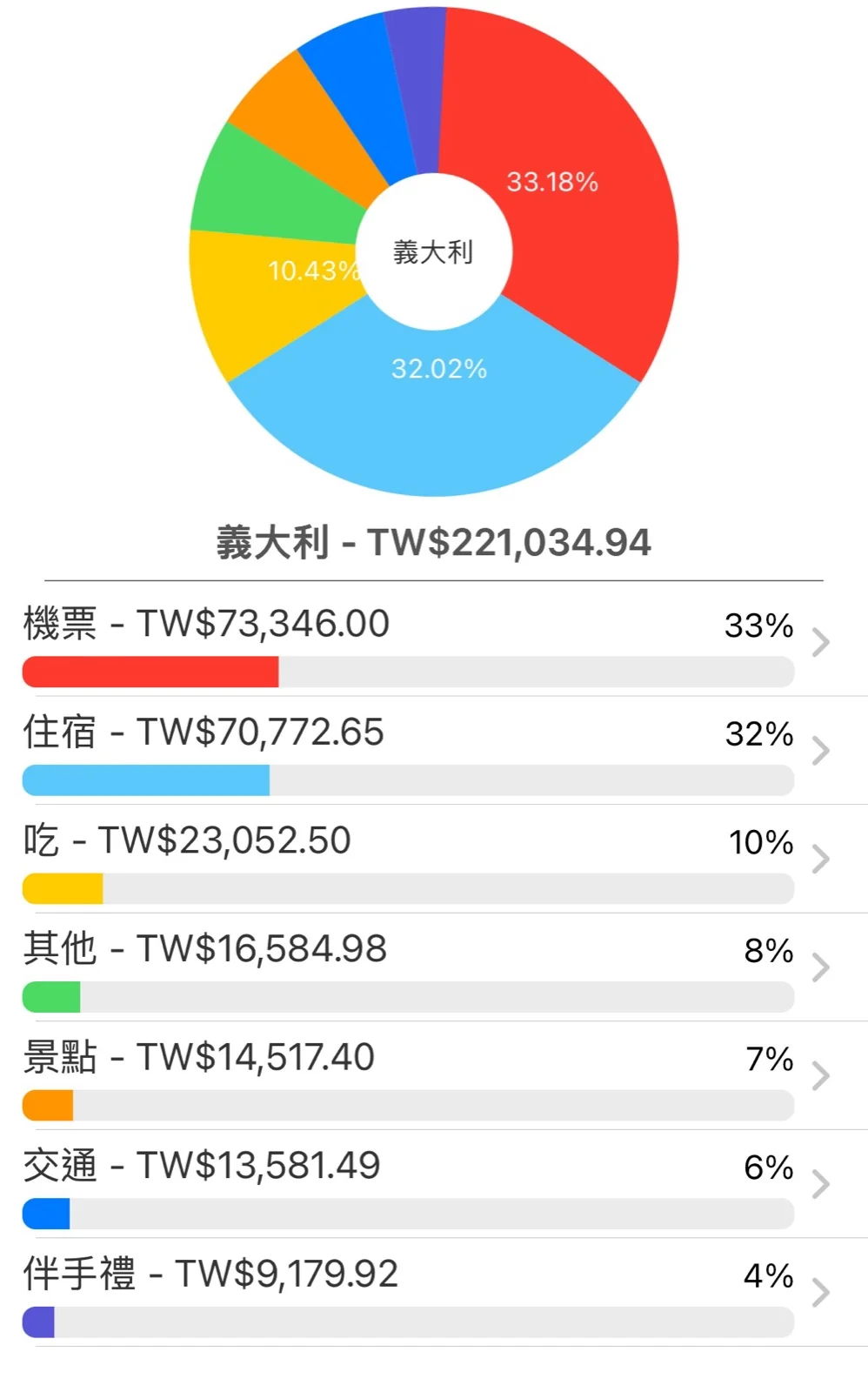
The two of us spent Christmas in Italy this December and spent NT$220,000 in total — breakdown below. The biggest costs were accommodation and airfare, each roughly a third. Looking back, I'd spend an extra NT$10,000 on food — traveling with my wife, we did eat everything we'd planned to, but beyond that, eat what you want and drink what you want, no need to scrimp.
The “Other” category includes Schengen insurance, a 15-day unlimited-data SIM card, the wedding photo shoot, local restroom fees, and so on.
- Is Yamadera Temple in Yamagata, Japan Worth Visiting? Transport, Climb Time, and Travel Tips (Chinese)
- W Hotel Macao Studio City Review: Room and Facility Highlights from a Real Stay (Chinese)
- Zao Snow Monsters Travel Guide: Skiing, Hot Springs, and Food in One Trip (Chinese)
- Kaohsiung Grand Hotel Buffet: All-You-Can-Eat Seafood and Carved-to-Order Steak (Chinese)
- Duck Jane (鴨肉珍) in Yancheng, Kaohsiung: Beloved Old-School Duck Rice and Offal Soup (Chinese)