How I Got Hooked on This Series
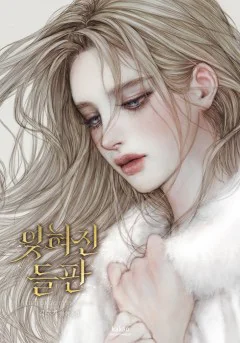
I actually got into "The Forgotten Plains" through the manhwa first — it's drawn by the same artist as "The Day I Became a Princess," and the art style already had me hooked. But what really made me keep reading was the female lead's villain-adjacent character design.
She's not the typical sweet, harmless heroine — she's calculating and twisted, and that made me desperately curious about where the story would go, so I immediately went looking for the novel to catch up.
But this novel isn't officially serialized or translated in Taiwan — after searching everywhere, I could barely find any resources.
In the end I had to download the Korean serialization app and translate it myself as I read along.
I'll put together a separate tutorial on how to download and translate the Korean app later.
This article is mainly a character guide and a chapter-by-chapter plot summary, and it's basically full of spoilers,
so it's for anyone who doesn't have time to keep up with the raws, or who's waiting for an official translation and just wants the gist of the story fast. Feel free to discuss the plot with me and get emotionally wrecked together (lol).
If you spot any mistakes or missing details in my plot summary, please leave a comment to correct me — let's fill in the gaps together!
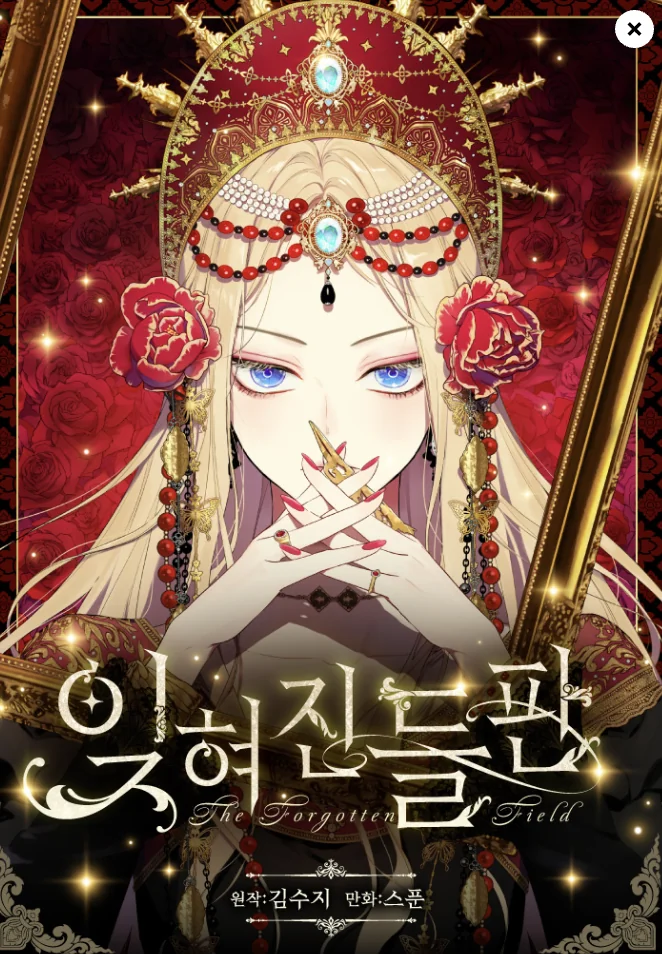
"The Forgotten Plains" (Korean: 잊혀진 들판) is a prequel to "Under the Oak Tree," written by Kim Suji.
I. Character Introductions
Main Characters
Talia Rhone Querta (Female Lead)
The empire's second princess.
She's the child born from the emperor's affair with her mother (Senevia), so even as a princess, she's always been treated as an "illegitimate child", facing coldness and hostility throughout the palace.
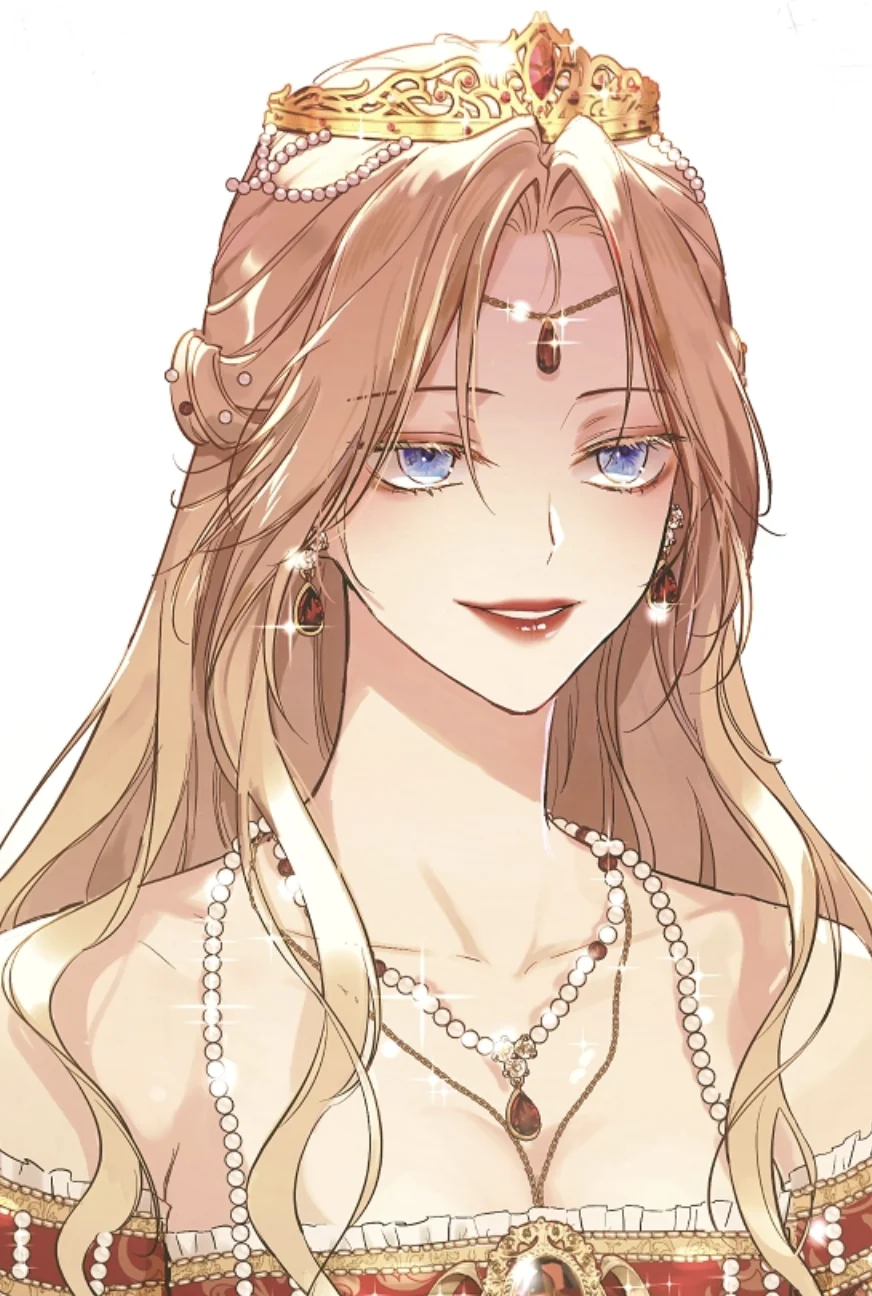
She has deep blue eyes and golden hair, looking just like her mother (Senevia), with a naturally bewitching air about her.
Beneath that beautiful exterior, she's covered in thorns and scars.
So she always hides her fragility behind arrogance, and having lacked security since childhood, she finds it hard to trust anyone.
At age eight, she was rescued from a rainstorm by a young Balkas (the male lead),
and from that day on, she developed a lifelong, unspeakable crush on him that she could never tell anyone about.
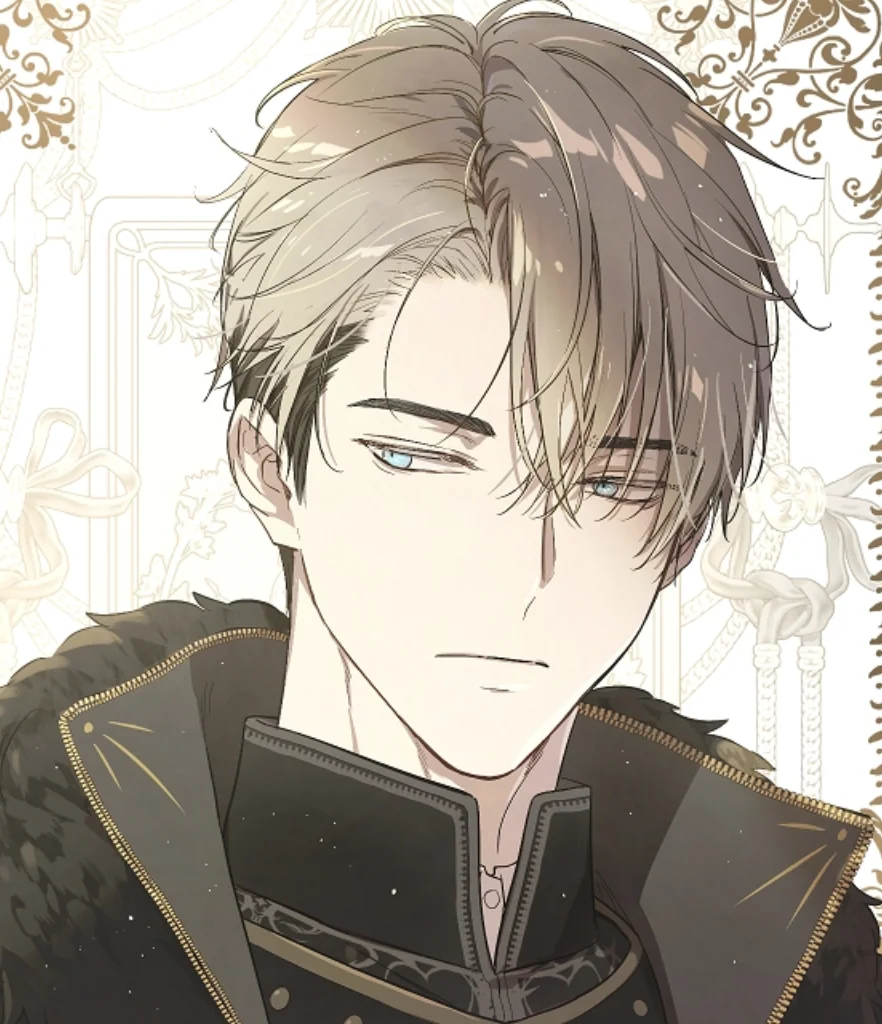
Balkas Ledgo Silkan (Male Lead)
Heir to the Silkan Grand Duke family in the empire's east, and also commander of the Imperial Guard Knights.
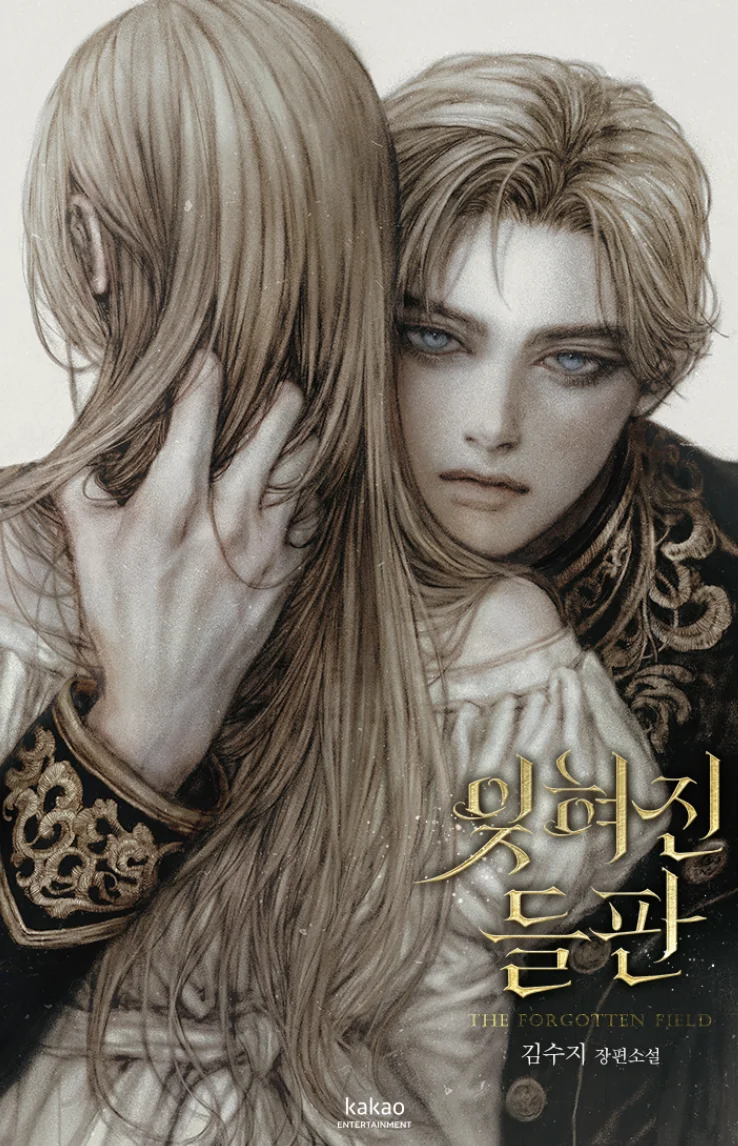
He has light golden hair (described as near-silver in the novel/manhwa) and silver-blue eyes, a tall build, and radiates a cold, dangerous air like a snake.
Since childhood he was raised by priests in a near-brainwashing process to become the "perfect noble," with all his emotions thoroughly suppressed until he became numb to feeling.
He carries the bloodline of the Silkan family, possessing a special power the world regards as a "curse."
As a child, he was bound to the imperial family through a secret ritual performed by the "former" Empress (Bernadette), and has been shackled by it his whole life, unable to defy the imperial family's orders.
Gareth Rhone Querta (Crown Prince)
The empire's crown prince, Talia's (the female lead's) half-brother, twin to Ella, and son of the late former Empress (Bernadette).
Impulsive, hot-tempered, and intensely controlling, he cannot accept the existence of Talia (the female lead) as his "illegitimate half-sister," seeing her as a stain and disgrace on the imperial family, and is thus full of hostility and contempt toward her.
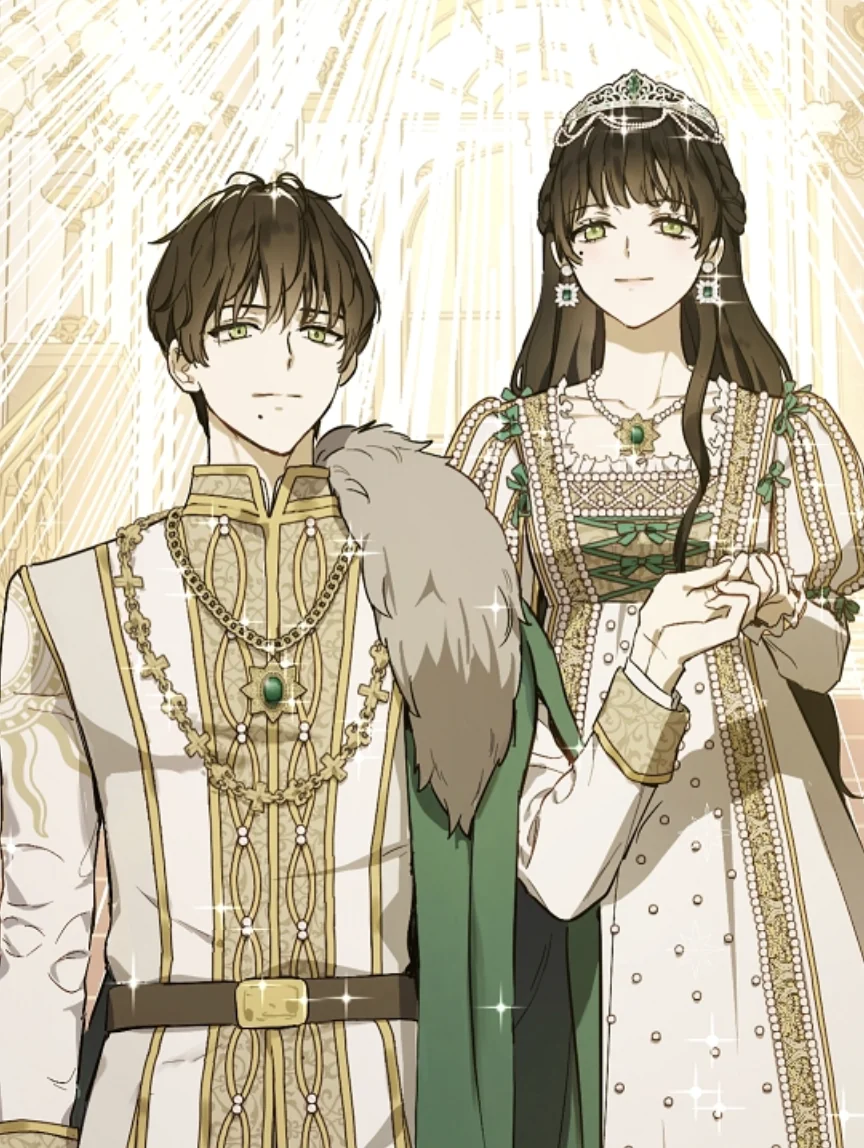
Ella Rhone Querta (Princess)
An imperial princess, Gareth's twin older sister, also born to the late former Empress (Bernadette), and Balkas's (the male lead's) originally rightful fiancée.
Graceful in manner and gentle with everyone, she's in love with Balkas (the male lead), but can never truly reach his heart.
Senevia (Empress, Talia's Birth Mother)
Originally just the emperor's mistress, she was only elevated to Empress after the former Empress passed away.
She has a naturally captivating presence that's impossible to ignore, and is also a deeply cunning, scheming woman.
To Talia (the female lead), her mother is the most complicated presence in her life. She craves her mother's love, yet despises the ruthless way her mother pursues power;
she's attached to her mother, while also fearing that she herself will one day become just like her.
Bernadette (Late Former Empress)
The empire's former Empress, birth mother of Gareth and Ella (the prince and princess), who had already passed away before the story begins.
She was a distant relative of Balkas (the male lead) and looked after him when he was young, making her one of the few people from whom Balkas (the male lead) ever felt warmth.
Bernadette's death became the starting point for Senevia (the emperor's mistress, now Empress) and Talia (the female lead) entering the palace and reshaping the imperial family's power structure.
Other Characters
Asloth (Second Prince, the Heroine's Younger Brother)
The son born to Senevia (the female lead's mother) and the emperor.
Asloth's birth threatens the succession of Crown Prince Gareth (the female lead's half-brother).
Senevia (the female lead's mother) has always wanted her own biological son to inherit the throne, and Asloth, without even knowing it, becomes one of the central figures in this battle for succession.
Naturally innocent and kind-hearted, he tries many times to get closer to Talia (the female lead), but is always coldly pushed away.
Lucas (the Male Lead's Younger Brother)
Straightforward and impulsive, with a bit of a childish streak, he often bickers with the quiet, stern Balkas (the male lead), making him one of the few characters in the family who brings a bit of lightness to the mood.
Lena (the Male Lead's Younger Sister)
She's always been unhappy with much of what Talia (the female lead) says and does, and the relationship between the two sisters-in-law is extremely tense.
Deurand (the Healer)
The healer in charge of caring for Talia.
One of the few people who truly reaches Talia's heart, she once suggested Talia keep a diary to sort through her emotions and release her inner pain.
This seemingly ordinary suggestion ends up having an enormously important impact later in the story.
Kan (Dread Wolf/Beast)
A dread wolf cub that Talia (the female lead) rescues.
He forms a bond with Talia that goes far beyond master and pet, and becomes an important presence who accompanies her through countless low points.
As for Kan's true identity, and the meaning of his existence in the story, it's gradually revealed as the plot unfolds.
II. Plot
Act One "A Love Like a Curse" (Prologue + Chapters 2-72)
This love is twisted from the very start — it's not sweet-then-bitter, but carries scars and missed chances from the moment it's born.
1. [Born Illegitimate | A Child Raised on Hostility]
Because Talia (the female lead) grows up carrying the stigma of being "illegitimate," shunned from childhood by her half-siblings and everyone in the palace, she can only protect herself through arrogance, sharpness, and hurtful words.
2. [First Meeting the Male Lead | The Start of a Lifelong Obsession]
At age eight, she first meets Balkas (the male lead) in the rain. That brief moment of tenderness becomes the only light in Talia's (the female lead's) dark life, and it's what sparks her feelings for Balkas (the male lead).
3. [Meeting Again | Even Love Becomes Her Mother's Bargaining Chip]
At nine, Talia meets Balkas (the male lead) again, but he seems to have forgotten what happened before, and is harsh toward the female lead while protecting his fiancée Ella (her half-sister).
After Senevia (her mother) notices her daughter's feelings for Balkas (the male lead), she turns the affection into a reward, telling Talia that if she pleases her parents, Balkas will be "given to her."
From that moment on, her love becomes tangled up with power and transaction.
4. [Seven Years of Forced Closeness, Arranged by Her Mother]
Senevia (her mother) directly assigns Balkas (the male lead) as Talia's (the female lead's) personal guard, giving the two of them plenty of chances to be together.
Talia's (the female lead's) feelings deepen further, and she experiences jealousy for the first time. This period is also one of the few stretches in the whole book where it feels like they might actually have a chance to love each other properly (but nope!!).
The more she cares about Balkas (the male lead), the more she provokes him with taunts and cruel words just to get his attention.
5. [An Attempted Assault Leaves a Lifelong Scar]
Talia (the female lead) is nearly assaulted by a man she knows (pinned down + groped + a forced kiss + dragged), and although Balkas (the male lead) stops it in time, it can't erase the damage done to her, and from then on she develops a fear of men's touch.
6. [An Accident Leaves Her Disabled]
During an imperial procession, the group is attacked by a pack of wyverns, and falling rocks shatter Talia's knee and shin, leaving her potentially disabled for life.
The physical trauma combined with everyone's mockery causes her to completely unravel, and her personality grows even more twisted.
Seeing Talia sitting motionless, Senevia (her mother) says quietly:
"That's truly... unfortunate."
Talia slowly lifts her head.
Senevia gazes at her for a moment, then rises and walks to the bedside, her petal-soft fingers gently brushing Talia's cheek.
"Talia, do you remember what I once told you?"
"I said that things which are beautiful yet fragile are always destined to be preyed upon."
Talia, eyes brimming with tears, forces herself to meet her mother's gaze.
That face, as if carved delicately from pearl, gold, and sapphire, blurs slowly through her tears.
The Empress continues gently, as if telling an old fable:
"So then... what becomes of something that's both ugly and weak?"
"..."
It doesn't just tell readers "her leg was injured" — it makes readers feel, along with Talia, that the beauty she once took the most pride in has been utterly destroyed. ಥ_ಥ
7. [A Marriage That's Only a Political Deal]
At the end of Act One, Talia (the female lead) and Balkas (the male lead) get married. However, this marriage is pushed through behind the scenes by Empress Senevia (the female lead's mother), who pressures the emperor into issuing a decree that "Balkas failed in his duty as her guard and must marry Talia to take responsibility."
For Balkas, it's a case of "having the right to refuse, but choosing to accept anyway," while the female lead does love this man, but doesn't want their marriage built on coercion and obligation.
But...
did she really want that?
She looked down at her scarred legs beneath her skirt.
Just imagining showing a body like this to him made her feel like she couldn't breathe.
If she saw even a flicker of disgust or revulsion on his face, even for an instant...
she would completely fall apart.
But in the end, she's forced to agree under her mother's silent threats.
Act Two "Ashes of Despair" (Chapters 73-163)
After the wedding, Talia (the female lead) and Balkas (the male lead) live under the same roof, each suspicious of the other, neither willing to let their guard down first.
1. [Balkas's Past]
Act Two opens by going back into Balkas's (the male lead's) past. He was once locked away by his family and the priests, in the name of "purging the evil within him," in a coffin-like, dark, cramped chamber, enduring prolonged and brutal torment until he nearly lost all sense of the outside world.
2. [Isolated in Her Husband's Household]
After marrying into Balkas's (the male lead's) household, Lena (the male lead's younger sister) is extremely hostile and openly humiliates Talia (the female lead), and most of the household staff also look down on and doubt this Grand Duchess without proper lineage, who they blame for forcing Balkas (the male lead) into marriage. Her only remaining weapon is still that same wounding arrogance.
3. [The Closer They Get, the More They Wound Each Other]
Marriage doesn't bring understanding — being in close proximity only magnifies each of their psychological wounds. Talia (the female lead) keeps testing Balkas's (the male lead's) limits with provocation and cruel words, while he responds with businesslike coldness, and the two fall into a steadily worsening cycle.
4. [Her Mother Forces Her to Produce an Heir]
Senevia (the female lead's mother) shows up and coldly orders Talia (the female lead) to produce an heir for the Grand Duke's house. She even points out that even without her demand, Talia will eventually have to bear a child anyway, or else Gareth (her half-brother) and the eastern nobility will surely force the couple to divorce. And when that happens, will Balkas (the male lead) choose his wife, or the title of Grand Duke? These words drag Talia straight into her mother's carefully laid political power game, turning "having a child" from a choice between spouses into a heavy shackle bound up with her marriage, status, and even survival.
5. [Intimacy Becomes Obligation]
Balkas (the male lead) can see how deeply she resists a man's touch, so he holds back for a long time; but duty eventually presses down on both of them, and when they finally cross the most intimate line between husband and wife, it's a mix of obligation, fear, hesitation, and feelings neither can quite admit to — and for the first time, this loosens something real between them.
Balkas asks, his voice tight.
Talia is afraid that the moment she shows even a flicker of hesitation, he'll pull away immediately, so she nods without hesitation.
The man gazes into her eyes for a long moment, as if confirming her resolve, before finally wrapping one arm around her waist and standing up. Talia instinctively grabs the hem of his clothes.
She feels a heavy pressure bearing down on her.
Instinctively she wants to pull back, but the pressure only grows, little by little.
If this ever gets adapted into a manhwa, they might draw her outbursts a bit cuter — kind of like Zenitsu from Demon Slayer (sweatdrop)
6. [Pregnancy Brings Brief Hope]
After Talia (the female lead) becomes pregnant, the child briefly becomes a source of hope for her and Balkas (the male lead) to start over. The two of them imagine what the child will look like, and talk about their future together — one of the few tender, peaceful stretches in Act Two. For Talia, the child isn't just an heir, but a reason to stay in this marriage.
7. [Losing the Child]
After Talia becomes pregnant, her physical and mental state deteriorates rapidly, and she eventually gives birth prematurely and loses the child. This becomes the turning point where she completely falls apart — self-loathing follows her ever after, and cold rumors questioning her ability to bear children start spreading among the household staff.
8. [Saving Kan, the Biggest Foreshadowing in the Whole Book]
At her lowest point, Talia (the female lead) rescues a small wolf cub and names him "Kan." On the surface it's a moment of soft-heartedness, but underneath, it's really about replacing the child she lost — and this act of rescue plants the single most important piece of foreshadowing in the entire book.
Act Three "The Grave With No Name" (Chapters 164-around 246)
This is the longest act, and the one where both the worldbuilding and the emotional stakes reach their peak.
1. [The Family Curse]
Act Three also fills in the reason Balkas (the male lead) became the way he is. He wasn't born cold and unfeeling — quite the opposite, as a child he wasn't so different from other kids, and had a strong sense of pride, anger, and rebellion.
But his father and the priests believed that the family still carried the "heretical power" of the "Kan clan," so they interpreted Balkas's intense emotions, aggression, and special abilities as "signs of a monster."
2. [Talia Unravels Day by Day]
Her leg injury and years of loneliness keep worsening. Meanwhile, a rebellion breaks out in the north, and Balkas spends long stretches away at war, pulling the two further and further apart.
3. [A Calm, Unfamiliar Talia]
When Balkas (the male lead) returns from the war, Talia (the female lead) is no longer the sharp, out-of-control person she used to be. She looks much healthier, eats on her own, prays each morning, tends to the flowers, and can calmly welcome him home, simply saying, "I'm glad you made it back safe."
Balkas should feel relieved by her change, but instead he's stung by how much her tone sounds like a stranger's, realizing for the first time that he may have already been shut out of her world.
4. [Talia's Death]
As the war spreads, Talia (the female lead) steps up to evacuate civilians and tend to the wounded, but in the chaos she's buried under the rubble when the holy tower collapses.
5. [A Confession in Her Diary]
By the time Balkas (the male lead) rushes back, it's already too late to change anything. After the funeral, he seems fine on the surface, but is crumbling inside, until one night while going through her belongings, he finally reads, in Talia's (the female lead's) diary, the love and pain she could never voice in her entire life.
How have you been, all this time?
Have you gotten hurt anywhere?
Has work been hard on you?
They're such simple words — so why are they so hard for me to say?
I really must be... broken somewhere.]
6. [Facing Death, Only to Be Reborn]
Balkas (the male lead) brings a short blade to his wife and child's grave, ready to end his own life, but is instead killed — his throat torn out — by the very wolf he once couldn't bring himself to kill and had abandoned in the forest years before. After death, his consciousness sinks into a river of blood, and amid endless devouring and reshaping, flows back in time, finally awakening inside the very wolf cub Talia once rescued — the one she herself named "Kan" — revealing the most important truth of Act Four: reincarnation.
Act Four "The Wolf Recites Poetry in the Night" (Chapters 247-264) Last updated: 2026/07/06
Balkas (the male lead) wakes up with the complete memories of his past life, and calculates that there are still three years until the northern invasion, so he starts scheming over whether he can warn Talia (the female lead) early enough to change the ending he already knows.
1. [The Leg Wound Spreads Like a Curse]
The old wound on Talia's (the female lead's) leg begins spreading in an eerie way, the scarring creeping up her thigh like vines. She panics to the point of scratching at it almost self-destructively — clearly this isn't just a physical injury, but something tied to a curse-like affliction.
2. [The Secret of the Reincarnation, Half Revealed]
Deurand (the healer) brings up an old eastern legend: those who die tragically are reborn as beasts, returning to see the person they loved most in life. At the time, everyone assumes Kan (the wolf the female lead rescued) is the child Talia lost, but readers already know the truth is that it's actually Balkas himself. They guessed the right direction, but the wrong person.
Even in the newest chapter, I don't feel like the male lead has changed anything about the original storyline because of this reincarnation — it feels more like, through Kan's perspective, he's just learning a bit more about Talia.
I'm honestly scared that by the end we'll find out this isn't a reincarnation that lets them start over, but instead a hell of a tragedy endlessly repeating itself, aaaaargh (breakdown!!)
Last updated: 2026/07/06